You've just finished your open water course, and now you are faced with a choice: should you stick to your open-water certification (after all, you've worked hard, multiple days for it, you deserve to enjoy it!), or should you pursue further education and get another, more advanced certification -such as the Deep, or Nitrox specialty-? It is easy to feel overwhelmed when embarking on a new activity that offers so many possibilities. Once you get your open-water certification and look at the choices for what to do next, it can be a little bit unclear: the choice is vast, and the many different diving specialties can be a little bit overwhelming.
If this is how you feel, don't worry, you're definitely not the only one! And as a matter of fact, this isn't a situation that only applies to new divers: there are about one thousand and one different certifications to choose from, and even experienced divers can have trouble choosing where to go next. In this article, I want to go over what the possibilities are, and which speciality is better depending on what you're looking for!
Should I get any extra certification?
Okay, the first question you should ask yourself is: Should you actually get another certification? It's easy to feel excited about all the possibilities, but if you have just completed your open-water (or another dive course), your brain is probably still integrating what you have just learned, and jumping straight away into another course might not be the best idea! This isn't to say you shouldn't do it, but I am saying you should use your judgment and ask yourself if you feel comfortable with your mastery of the basics before going further. Ask yourself:
- Am I comfortable with my buoyancy control?
- Am I comfortable with my trim?
- Can I perform basic tasks in the water without actively thinking about other things (such as my equipment or moving through the water)?
If the answer to all of those is yet, you're probably ready to take another course. But Luca, I didn't answer yes to all of those. Does that mean I shouldn't go further? - Well, not necessarily, you're an adult, you don't need a blog article telling you what to do. However, if you're really interested in becoming a good diver, focusing on the basics and not rushing through all the courses at the start will definitely benefit you in the long run. Okay, but concretely, how do you progress without taking a course? Easy: go on some fun dives, while actively thinking about everything you do, your position in the water, your breathing rhythm, etc...
Which one?
If you feel ready to take up a course, the question begs: which is the one for you? Let's start talking about the recommended ones right after you finish your open-water. If you're already past this level, and you're interested in knowing the ones that come after that, feel free to skip this part!
Nitrox: Let's start by talking about my favorite one, Nitrox. Nitrox, also often called Enriched Air Nitrox, or EAN for short, is a course during which you will learn to dive with gas blends enriched in Oxygen (meaning, with an oxygen part greater than 21%). You will also dive deeper (see what I've done?) into the physiological aspects of the interactions between our body and gases under pressure. Most dive centers offer this course as a "theory only" course, meaning you can do it without even going in the water - and still increase your diving knowledge. In my opinion, every diver should be Nitrox-certified, or at least have an understanding of the subject.
Buoyancy: Perfect Buoyancy, or Peak Buoyancy, or whatever your agency calls it, is the specialty that will help you master your buoyancy and trim. Now, there are two main schools of thought concerning this course: the first one claims that if you want to improve your buoyancy, you should take this course; the second claims that it is a waste of money, and buoyancy can be improved simply by diving as frequently, without the necessity of a course. Whichever one applies to you is up to your interpretation, but if you have a bit of money to invest in diving, and you're not sure what you want to do next, this can be a good course to take.
Navigation: The navigation course is a very interesting one for beginner divers to take. In this course, you will learn how to use a compass, combined with natural navigation (meaning that you'll use references as navigational points), to navigate around various dive sites. One positive thing I have noticed about divers who have taken this course (on top of improving their navigation, of course) is how much more aware they are underwater, and this is mainly why I think it is one of the most interesting courses to take for beginners.
Okay, so to start off, that gives you three solid specialties to choose from: as I mentioned, the buoyancy course is not mandatory, but before going further, I would strongly recommend having completed the Nitrox and Navigation courses. Before going further and having a look at all the more "advanced" specialties to choose from, I want to talk about one more, which I would consider a "must have":
Deep: Of course, I had to include this one, but not necessarily for the reasons you think. The deep course will teach you to dive to greater depths: usually up to 40 meters, but it can slightly vary depending on the agency you choose to take the course with. Although I understand it isn't everyone's goal to go as deep as they can, the reason I actually put the deep course as a "must-have" is because you will learn a lot about the safety aspects of planning dives (for example, calculating your SAC rate and taking it into account for gas management). On top of this, if you want to go further, the deep speciality is a prerequisite for a lot of other courses. Overall, it's a very solid and popular course choice.
Advanced Specialties
Okay, now let's get to the fun part! I like to think of the previous specialties I have described as "core specialties" - meaning they are a fundamental part to progress as a diver; however, there is now a lot more freedom in terms of choice, and the course you'll go for will depend on what exactly you're looking for: this is the point in diving where you can start specializing yourself depending on what you like. Here are the best ones for three categories: Specialties requiring specialized equipment, Specialties that get you a foot in the world of technical diving, and Specialties to become a dive professional.
Equipment
The specialties I categorized in "equipment" are for you if you're interested to learn about diving with specialized equipment or in a different configuration you're originally used to. These courses are usually very fun to take, but also require a solid foundation - you want to be comfortable with the already existing pieces of equipment you have before introducing a new one!
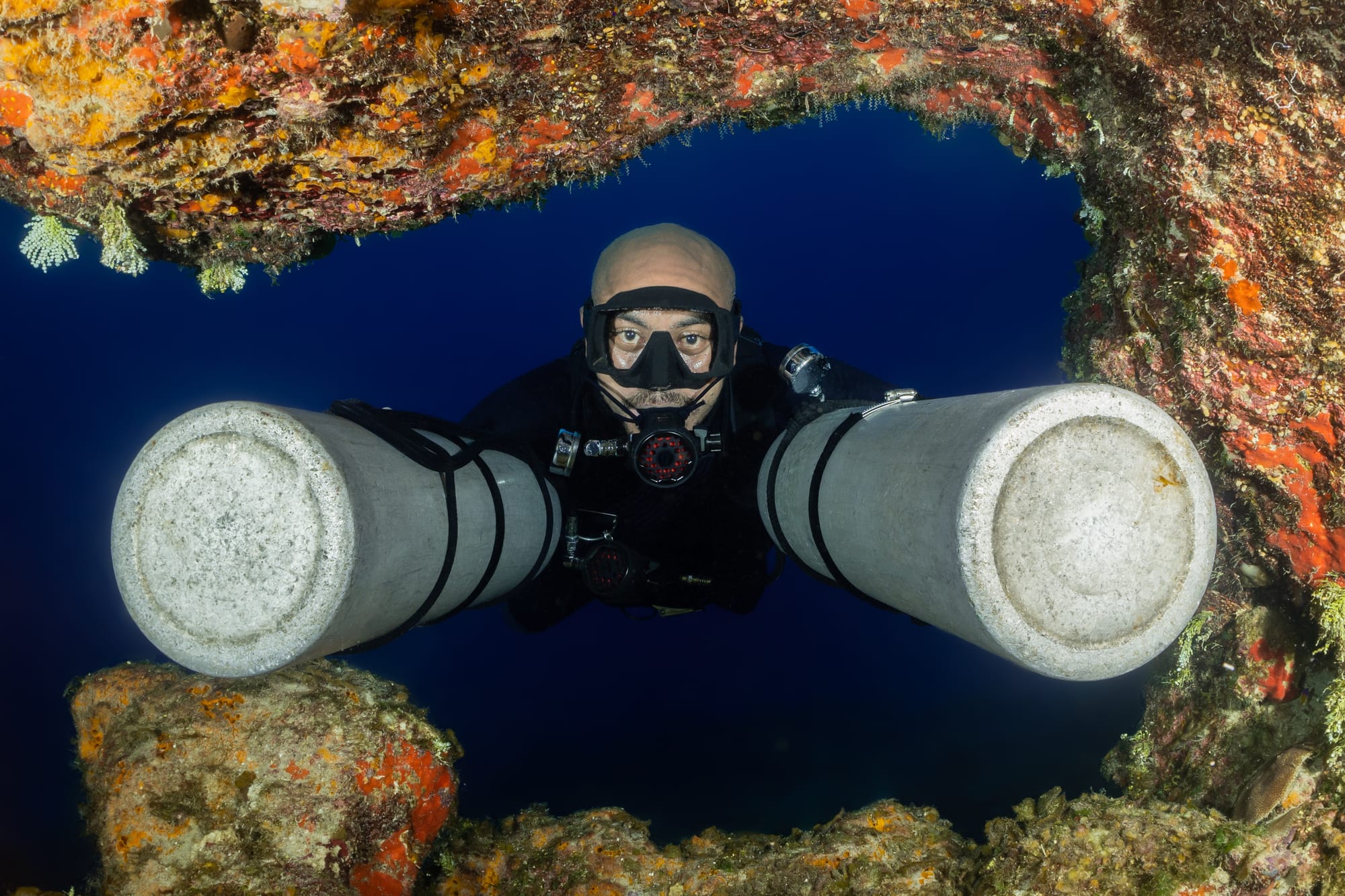
Sidemount: Let's start with one of the best specialties - sidemount! The sidemount course will teach you how to dive in a sidemount configuration: this means that instead of a single tank mounted on your back, you will have two tanks on either side. There is a sub-community of divers who have very strong (positive) opinions about diving on sidemount, but it isn't for no reason: sidemount increases redundancy, helps you get into a trim position, and generally looks cool. A sidemount configuration also reduces your profile and is used to dive in tighter areas: as a matter of fact, it was originally used back in the early days of caving to get through sumps. If you're interested in learning a new configuration, sidemount might be for you!
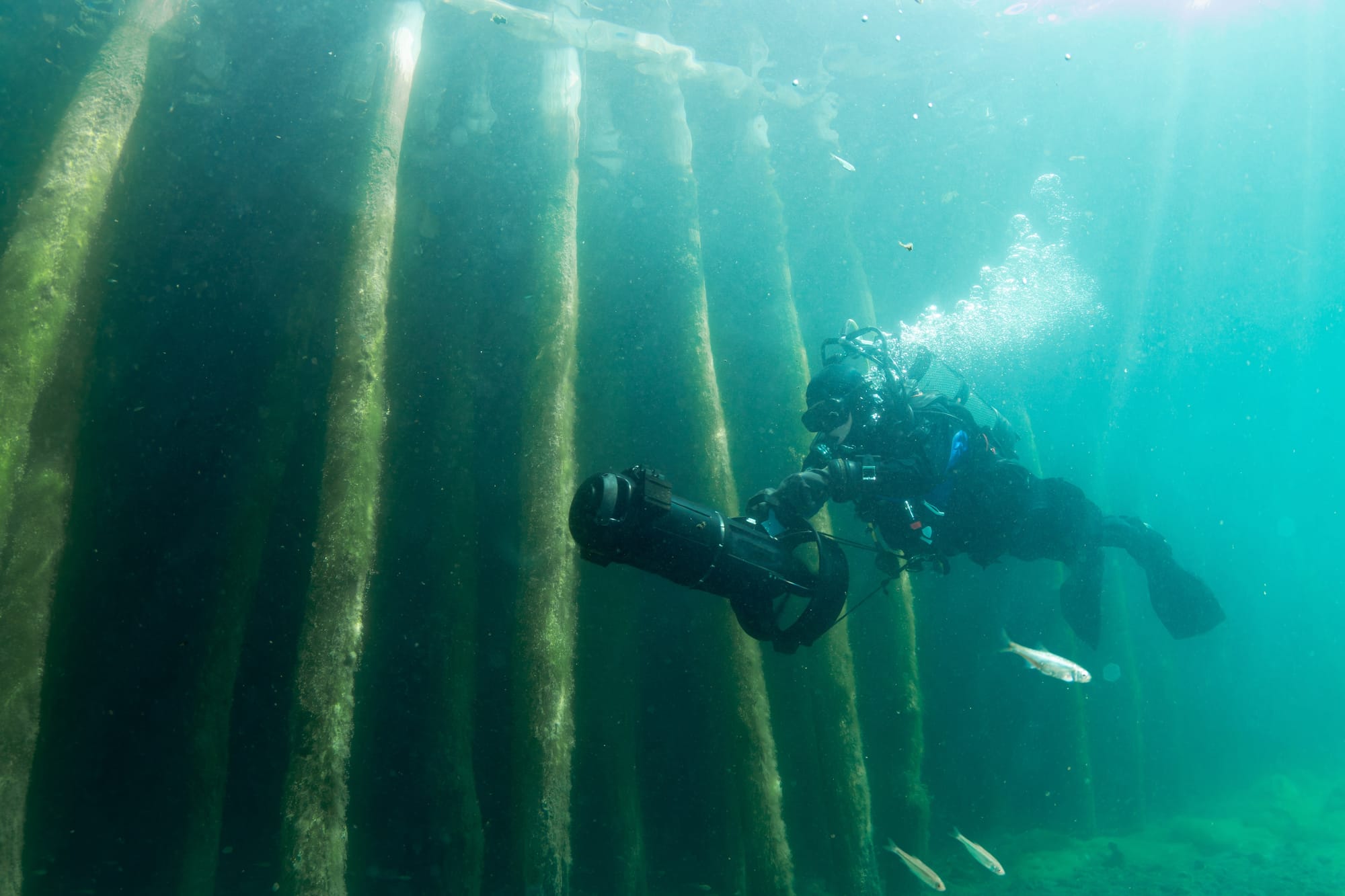
DPV/ Underwater Scooter: The DPV specialty will teach you how to use an underwater scooter. This course is not only very fun, but will also prove itself to be practical, as it will allow you to go significantly further than you ever could by only using your fins. Using a DPV is probably the closest you can get to feeling like an astronaut without going in space.
Underwater photography: Underwater photography is a fascinating type of photography -so much so that some people turn it into their life's work- but it can be challenging for beginners, as many additional factors come into play, such as the important role of constantly updating your white balance due to the absorption of warm colors by the water, or the fact that using a camera significantly increase your air consumption and can shorten the dive. Learning how to use a camera underwater is as much about photography as it is about diving. Nevertheless, the reason I put it on this list is that although it takes time to master, once done correctly, the results are usually very rewarding!
Technical
Technical diving can be defined as any diving where direct surfacing is not possible and where specific techniques/skills and equipment are required. Obstacles to surfacing can either be solid ceilings, such as caves or wrecks, or so-called "soft ceilings", such as decompression obligations. Technical diving is a more "involved" type of diving, where the tolerance for any error is lower; however, it will also make you a better diver and allow you to explore places only a few people in the world have been able to go to.
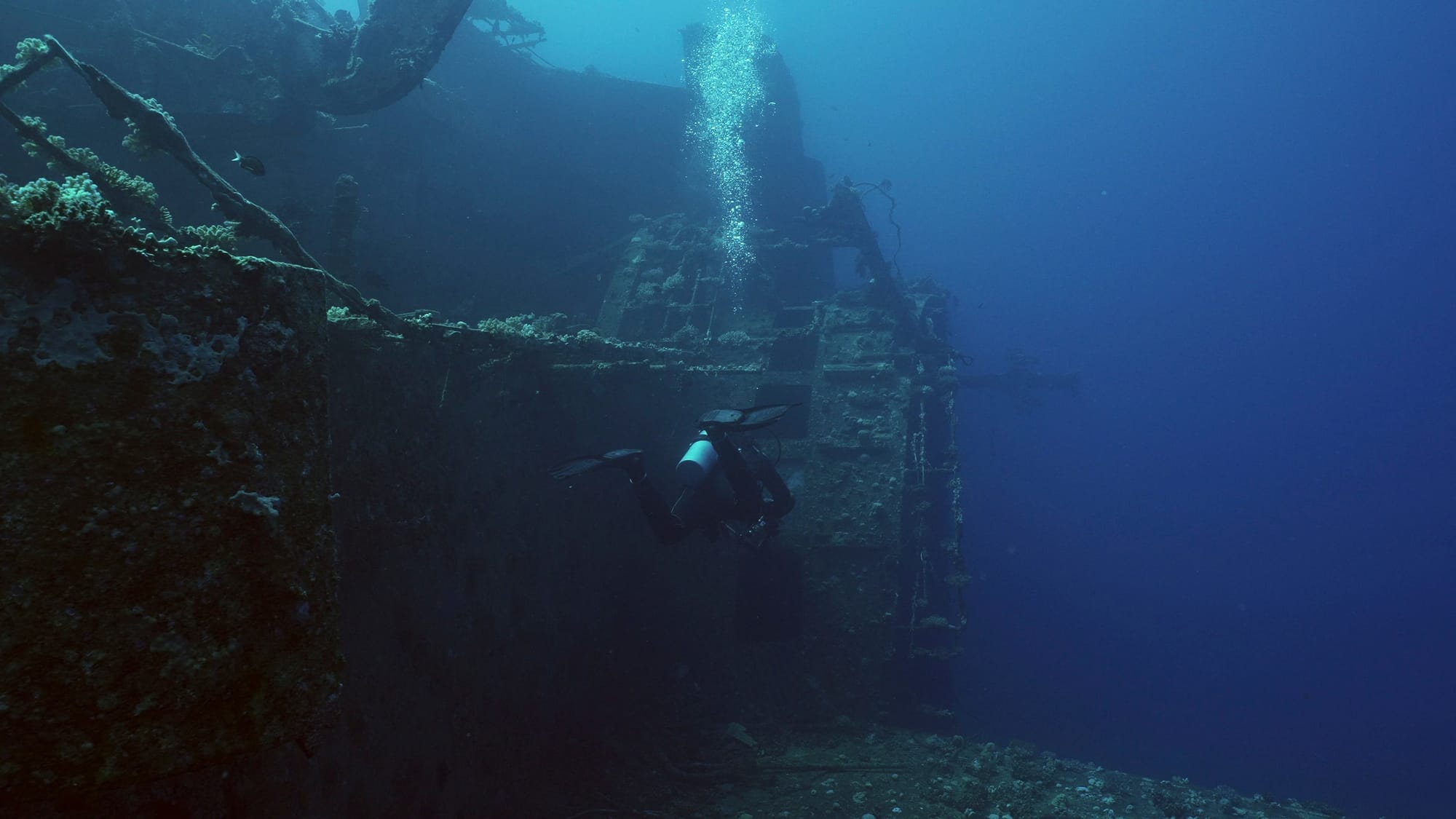
Wreck (or other overhead environment course): Specifically, I'm talking about introductory courses to overhead environments (not the full cave courses ), and the reason for that is that those introductory courses will get you a foot inside the world of technical diving while still being accessible enough as to not overwhelm you. Such a course is usually called a "recreational technical course". For example, in the wreck course, you will learn how to observe a wreck and recognize its potential hazards and tie-off points for entry. You will then learn how to lay a line to penetrate the wreck using those tie-off points. These courses will be done on easier dive sites and with limited linear-distance penetration to be more forgiving with any potential mistakes. If you want to get involved in acquiring more advanced diving skills, this course is definitely for you.
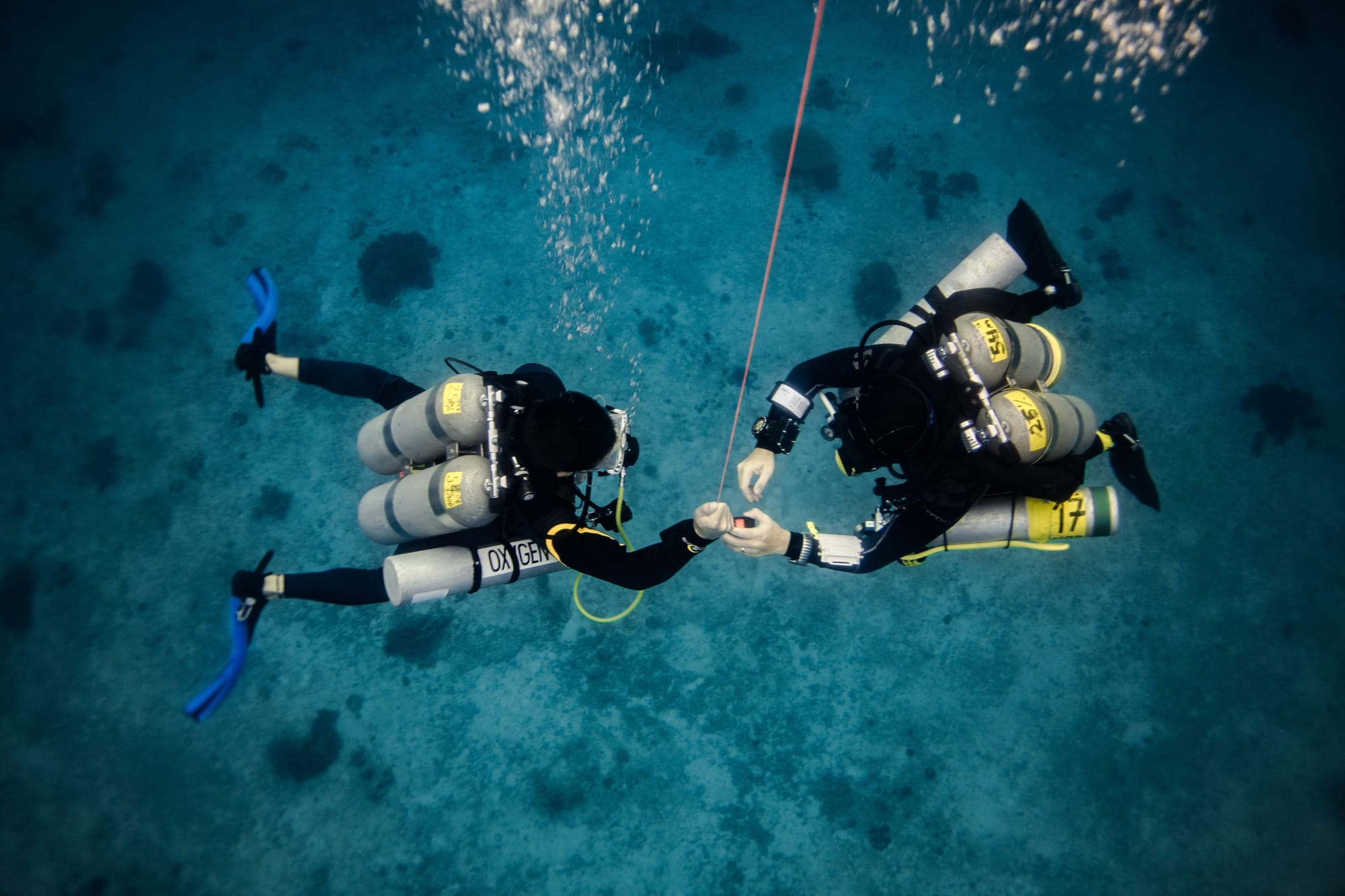
Extended range and Decompression procedures: This course will teach you how to plan a decompression dive safely. This means that you will exceed your no-decompression limit, but plan it appropriately: using a deco software to generate decompression tables, calculating the total required gas volume, learning how to plan for contingencies, and more. The exact amount of decompression you will be allowed to do depends on the agency, but the first technical level usually extends your maximum depth to 45 meters and allows roughly 25 minutes of total decompression time. This course requires a good level of underwater comfort and experience with your equipment: you will learn how to use a twinset, so mastering the basics before switching to a whole new configuration is strongly recommended. Even though this is probably the toughest course listed in this article, it will teach you a whole new way of diving that you have never seen before, and will increase your self-confidence in the water, and unlock new depths and possibilities.
Guiding/Pro
If diving is something you might be interested in getting into professionally, or if the dive instructor lifestyle seems like something you would want to pursue, then here are two courses that will get your feet through the door of diving as a professional:
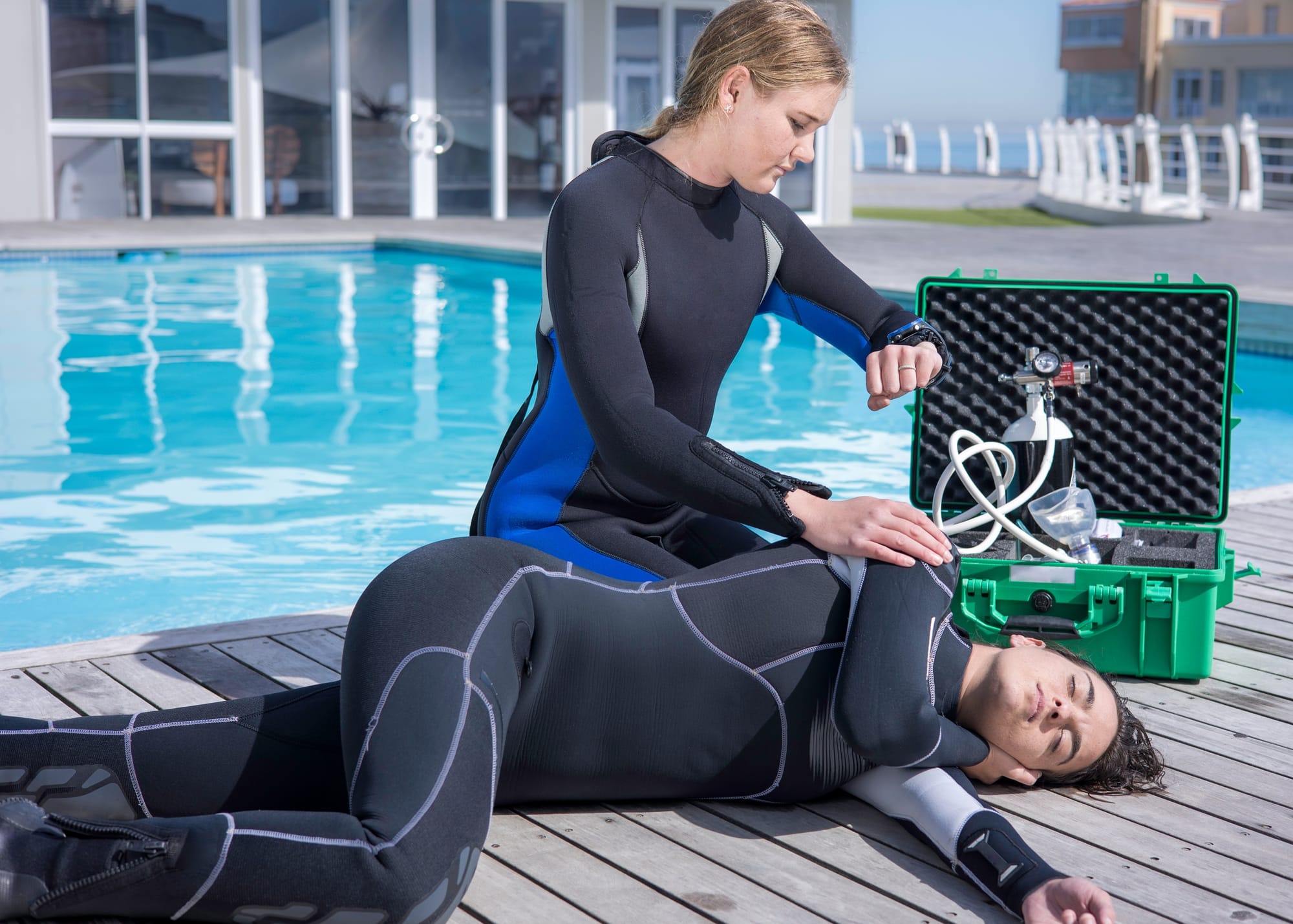
Rescue diver: As a rescue diver, although you're not a "pro" diver yet, you will learn how to be more responsible for divers other than yourself. In previous courses, you learnt how to take care of yourself and your environment. In this course, you shift the focus to other members of your team: A big point of this course is learning how to recognize stress in divers and how to deal with it BEFORE they panic. Although a rescue course is considered a more challenging course to take, the amount of confidence you will gain from completing it is worth the work you will put in.
Dive Guide: Usually known as a divemaster, this is the first step of being an actual professional. A divemaster can guide other divers on dives and can actually make money from it; it is a required stage to become an instructor later on - As a sidenote, what a dive guide/divemaster is allowed to do will depend on local laws and regulations (for example, in some countries, dive guides won't be allowed to guide divers below a certain level). Becoming a dive guide is a little bit different from other specialties, as there are many more requirements for completion. Usually, dive centers will ask you to become a divemaster through an internship, as it will teach you how to work in a divecenter. If you want to become a better diver, this is the course that will completely get you into a diving mindset, and this is where -if you really want to become a good guide- you will make that switch from a "casual diver" and really lock in your underwater skills.