
Nowadays, diving is a very safe sport, but this wasn't always the case: in its earlier days, especially when diving was primarily a tool for a mission rather than an activity for leisure, a lot of early workers subjected to increased atmoshperic pressures reported feeling strange "aches" when returning to a normal pressure (which is known today to be decompression sickness). There was a necessity to create protocols for the ascents during dives (and other expeditions where workers were subjected to higher pressure) and ensure a safe return.
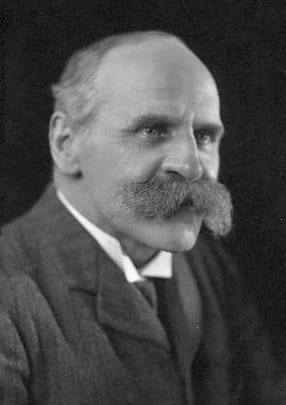
Haldanian Models are early decompression models, which were in the form of diving tables, and the first recognized as such, used in staged decompression for various users, such as mines/tunnel workers, early divers, and more. Although they are some of the oldest decompression models, the newer versions are still widely used today, even in the most modern dive computer; the most commonly used decompression algorithm is the Bühlmanm ZH-L16C model (which we will talk about later on), which is a more recent version of Haldane's decompression model, also known as a Neo-Haldanian model.
This is the story of trial and error, and how, over the years, divers and scientists have made diving a safer practice.